

Seafood Responsibility = Business Sustainability: Here’s What That Actually Means
Follow a piece of seafood far enough back and you always end up at the same place: open water, a boat, a crew, and a set of decisions. That part of the story hasn’t changed in a long time.
What’s changed is everything downstream of it.
Today, that same piece of seafood has to travel from local producers to sometimes far-removed end markets through processors, distributors, and retailers who all want to know the same thing before they’ll put it on a shelf: was this caught responsibly, and can you prove it? Not “we think so.” Prove it with documentation, traceability, and credible certification programs like the Marine Stewardship Council (MSC) and other ecological schemes that verify and recognize responsibly managed fisheries.
That question is where our tagline comes from. Seafood responsibility equals business sustainability. Not because it sounds good together. Because in the industry as it actually works today, they’ve become the same requirement, asked by two different audiences.
Two rooms, one answer
Picture the same fishing operation described in two different rooms.
In one room, a regulator or fishery manager is asking about quotas, habitat impact, resource management, etc. Is this fishery taking only what the population can sustain? Is it managed so it’s still productive in ten years?
In the other room, a retail buyer or a brand’s sourcing team is asking something that sounds completely different: Can you show us your chain of custody, or proof of exactly where this product moved from boat to shelf? Can this supply survive an audit? Will sourcing from your fishery protect our reputation instead of risking it?
Those sound like two separate conversations. The first conversation is about the ocean, the other about the balance sheet. However, they’re actually not separate at all. A fishery that can honestly answer the first room’s questions is, almost automatically, positioned to answer the second room’s questions, too. The practices that keep a fishery viable are the same practices that make it credible, is what makes it sellable to the buyers who now require it.
Responsibility isn’t a cost sitting next to the business case. It is the business case.
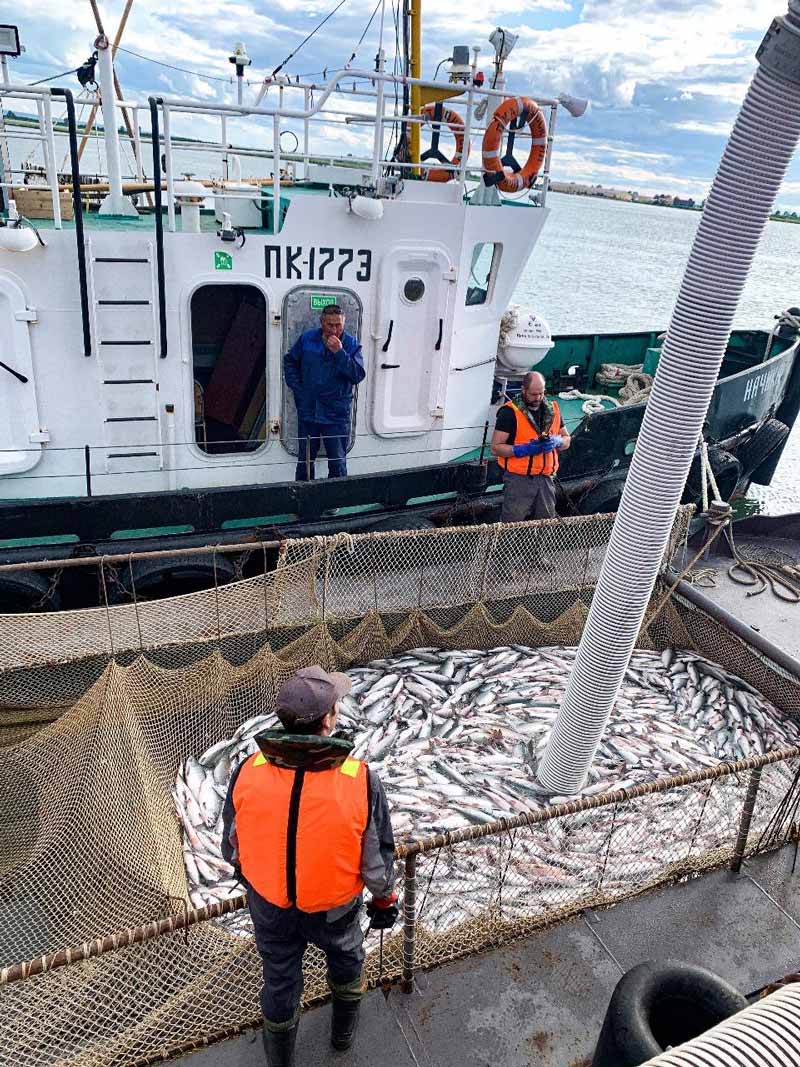
Photography: ForSea Solutions
Why the gap exists anyway
If that’s true, why does it take a guide at all? Because knowing the fish were caught the right way and being able to prove it to a standard’s satisfaction are two very different skills. A fishery can be doing everything right on the water and still fail an audit — not because the fishing was wrong, but because the fishery was not equipped with the capacity to translate the work it is doing into the language a certification body requires.
That gap between doing the work responsibly and being able to demonstrate it is where fisheries, processors, and seafood businesses get stuck. It can take months, or even years, to understand the certification processes and what it means for each business or fishery to attain it. The process is complicated, and the steps to take to become a certified fishery, for example, will vary, depending on where that fishery is in the process. It’s not a checkbox or a membership fee to be paid and done with. It’s not a knowledge problem about fishing. It’s a translation and interpretation problem between an industry that speaks in currents and seasons, and certification systems that speak in ecological schematic requirements.
That’s the specific space ForSea Solutions exists in. Not telling businesses to fish more responsibly; most already do and know what that looks like. Helping them prove and navigate through it, in the terms the market now demands, without losing months or years to a process nobody explained clearly in the first place.
What “business sustainability” means once the proof exists
Once a business can prove its seafood responsibility, the effects aren’t abstract. Certified, credible, and traceable supply gets retained on shelves that increasingly require it. It opens conversations with buyers who wouldn’t otherwise consider a supplier. It lets a business compete on trust and consistency, not just on price. And done properly, it holds up — a sustainability certification built on real systems survives the next audit and the one after that, instead of becoming a project to redo every cycle.
That’s what we mean by business sustainability: a concrete, repeatable advantage. Market access that doesn’t erode. Relationships that don’t have to be rebuilt each season. Growth that isn’t undercut by a failed inspection down the line. The fishery responsibility that now feeds into business longevity.
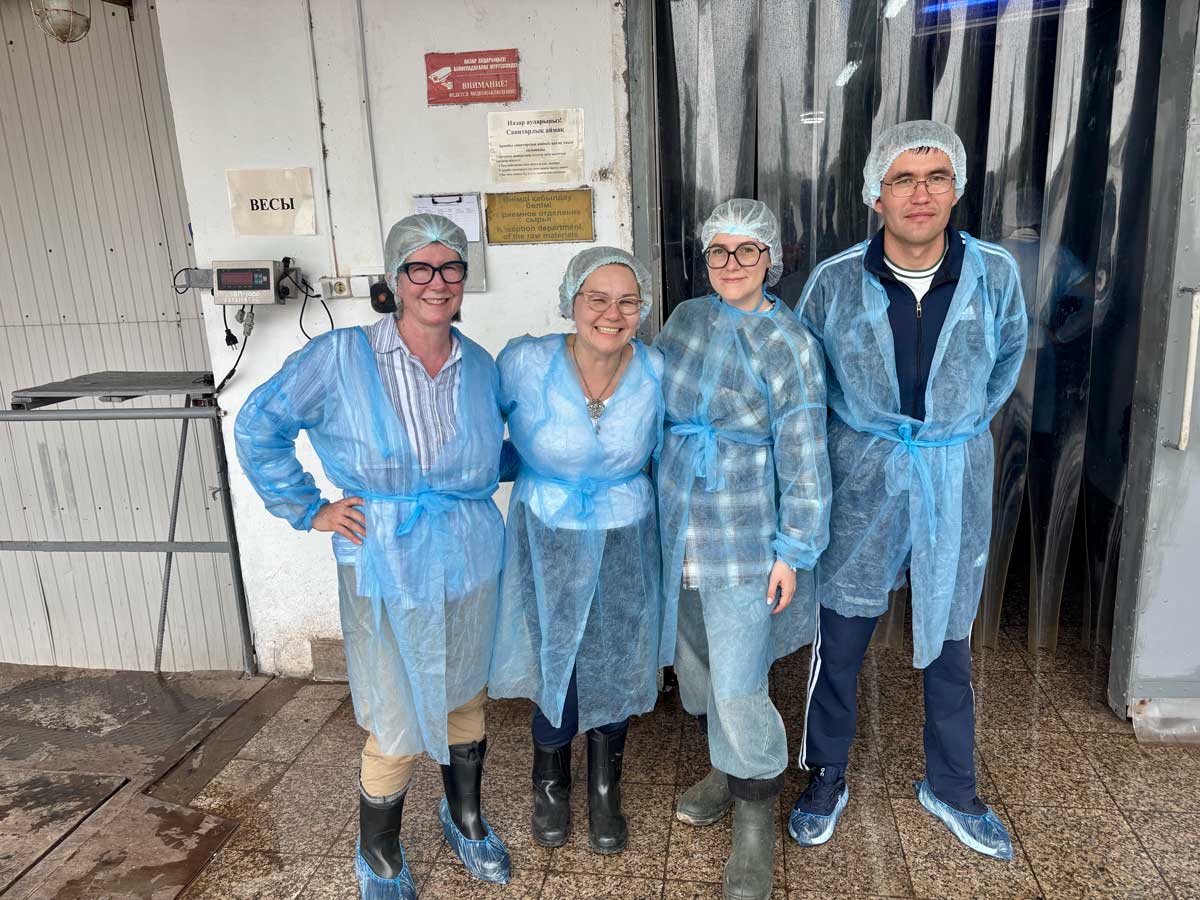
Photography: ForSea Solutions
Why we show up instead of sending a report
We don’t believe this interpretation work happens well from a distance. Standards documents are written in either too generic or too complex and technical terms; every fishery’s actual conditions, records, and constraints are specific. That’s why we work on site — on the boat, on the processing floor, alongside the people who’ll actually have to maintain these systems after we leave. We’re not interested in handing over a passing grade once and disappearing. We stay until the systems belong to the client, built to hold up on the next audit without us in the room.
We’re not measuring success at the certificate delivery. We’re measuring it at year three, year five. We care about whether the systems are still holding, and whether the business has grown because of them, not just passed because of them once.
And because no part of the seafood chain operates alone, we think about all of it — the fishing practices that determine what a processor can source, the processor’s documentation that determines what a retailer can trust, the retailer’s requirements that determine what a fishery gets paid for its next catch. Getting one link right matters less if the rest of the chain can’t keep up.
We’re not trying to make noise about that. We’re trying to make it true, one fishery at a time. So the goal was never a single certificate. It’s an industry where responsibility and business success stop being treated as two separate goals, where they’re finally understood as two sides of the same coin.


